Logan Vogel · 7 September 2026
Linking Past Shipyards to Future Careers Through Global Cultural Exchanges
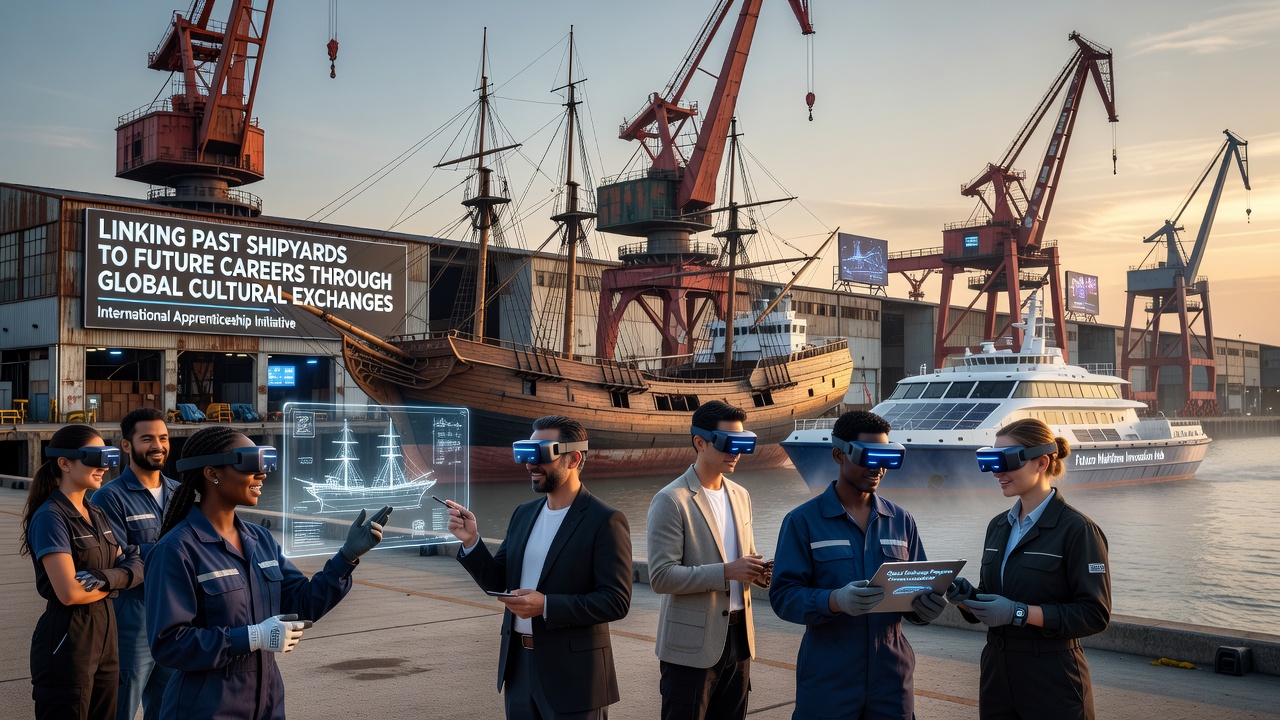
Historic shipyards along Norway's coast have long served as centers of industrial activity, and programs now connect those sites to international cultural exchanges that open pathways into maritime careers. Data from Norwegian port authorities show that facilities in Halden and similar locations once built and repaired vessels for trade routes across the North Sea and beyond, while current initiatives pair apprentices with visitors from Europe, Asia, and North America to share techniques in woodwork, metal fabrication, and navigation history.
Historical Foundations of Shipyard Operations
Shipbuilding records from the 18th and 19th centuries document how Halden yards produced wooden sailing ships that carried timber and fish to markets in Britain and the Baltic states, and these same locations now host structured exchanges where participants document traditional joinery methods before applying them in contemporary restoration projects. Government statistics from the Norwegian Directorate of Fisheries and Coastal Affairs indicate that employment in heritage maritime trades has risen steadily since 2018, driven in part by partnerships that rotate groups of students and workers through multiple countries each year.
Mechanics of Global Exchange Programs
Exchange frameworks organized by maritime museums and vocational schools bring together cohorts from Canada, Australia, and EU member states, and participants spend weeks at Halden sites learning rope-making and caulking alongside digital modeling of hull designs. Figures released by the European Maritime Safety Agency reveal that over 2,400 individuals completed cross-border placements in 2024, with roughly 35 percent securing positions in ship repair, logistics planning, or heritage tourism within six months of finishing their rotations. In September 2026, organizers plan to expand the schedule with a joint symposium that will include sessions on sustainable propulsion systems drawn from both historical records and recent engineering data.
Career Pathways Emerging from Cultural Connections
Apprentices who complete exchange cycles often move into roles that blend technical skills with intercultural communication, and case examples tracked by the International Maritime Organization show graduates advancing to supervisory positions at ports in Rotterdam and Singapore after first mastering traditional methods at Norwegian yards. One study conducted by researchers at the University of Oslo found that participants who documented oral histories from retired shipwrights later contributed to curriculum modules used in Australian maritime training centers, thereby extending the reach of Halden's industrial legacy into new geographic markets.
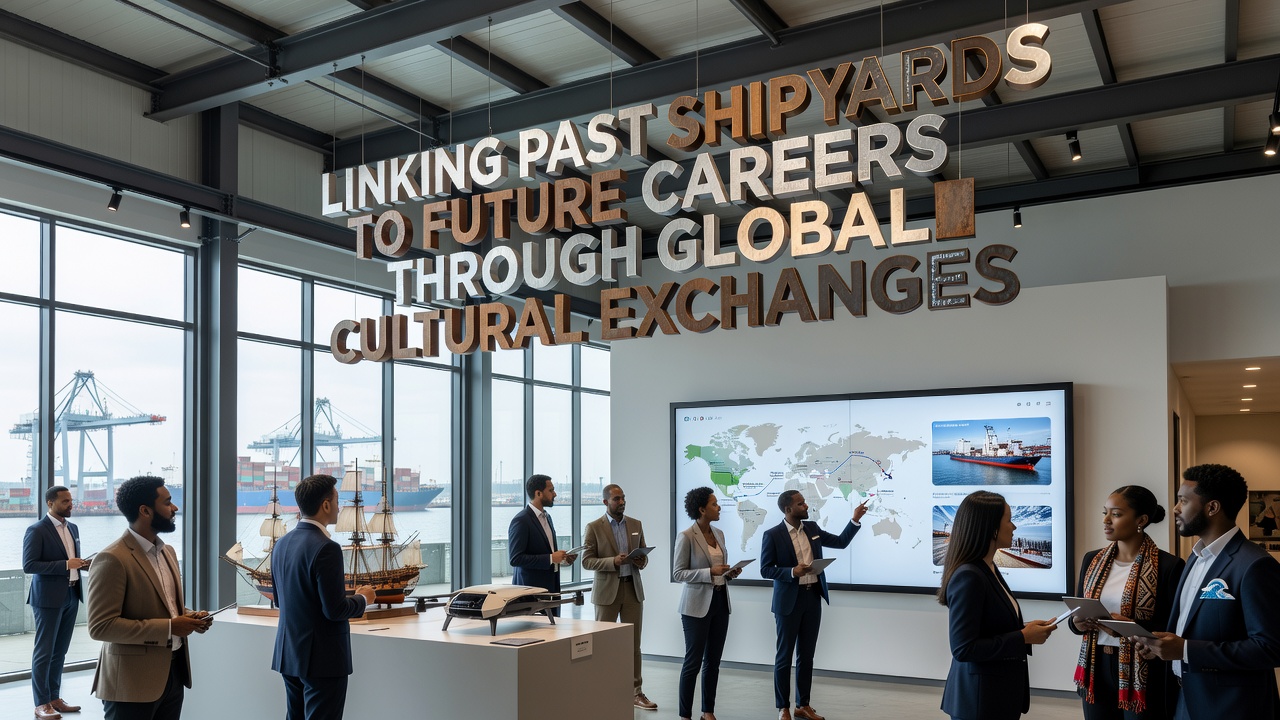
Trade associations in the United States report parallel trends where similar heritage programs feed talent into Great Lakes shipyards, and the pattern suggests that exposure to multiple national approaches accelerates problem-solving abilities required for modern fleet maintenance. Observers note that language immersion built into these exchanges also improves safety outcomes, since clear communication across crews remains essential during high-risk operations at sea or in dry docks.
Data Trends and Regional Comparisons
Statistics compiled by Statistics Norway indicate a 22 percent increase in maritime-related vocational enrollments between 2022 and 2025, coinciding with the rollout of exchange partnerships that emphasize hands-on work at preserved slipways and forges. Comparable figures from Transport Canada show that heritage-focused placements have helped offset projected shortages in certified welders and riggers along the St. Lawrence Seaway. Those who have studied enrollment patterns across these regions point to shared curricula that now incorporate both archival blueprints and computer-aided design tools, allowing trainees to move fluidly between historical reconstruction tasks and updates to existing commercial fleets.
Conclusion
Global cultural exchanges centered on historic shipyards continue to supply skilled workers to evolving maritime sectors, and records from multiple national agencies confirm measurable gains in employment and knowledge transfer. Continued coordination among institutions in Norway, Canada, Australia, and EU countries will determine how effectively these programs scale in the years ahead.