Xander Roth · 2 November 2026
Halden's Rooftop Garden Projects Transform Urban Spaces While Supporting Local Pollinator Habitats Year-Round
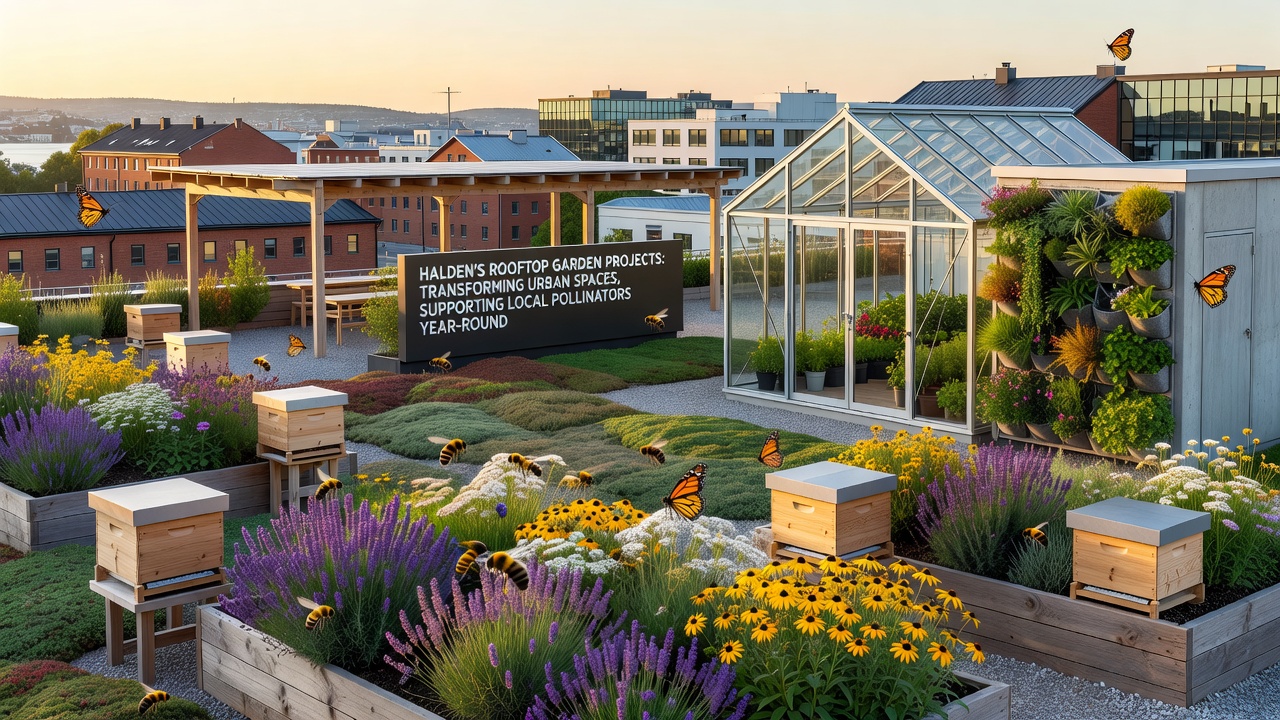
Halden's rooftop garden initiatives have expanded steadily since their early pilot phases, converting underused building surfaces into productive green areas that alter city microclimates while providing continuous resources for bees, butterflies, and other pollinators. Local authorities and community groups coordinate plant selections that bloom across seasons, ensuring nectar and pollen availability even during colder months when ground-level forage diminishes. Data collected through municipal monitoring programs shows these installations now cover several hectares of previously unused roof space, with installations added or upgraded in sequences that align with building renovation cycles.
Urban Space Transformation Through Elevated Greenery
Buildings throughout Halden's central districts and industrial zones feature layered soil systems and drainage infrastructure that support vegetable plots alongside ornamental species, reducing stormwater runoff volumes during heavy precipitation events. Engineers report that integrated green roofs on public facilities and private developments manage water retention rates between 50 and 80 percent depending on substrate depth and vegetation cover. These systems also contribute to lower ambient temperatures on upper floors, which building operators track through energy consumption records that indicate reduced cooling demands during summer periods.
Planning documents from the municipality outline how rooftop projects integrate with broader urban renewal efforts, connecting elevated gardens to ground-level parks via visual corridors and occasional access pathways for maintenance crews. Observers note that property owners participating in incentive programs receive technical guidance on load-bearing assessments and irrigation setups, allowing older structures to accommodate new plantings without major structural reinforcements. In November 2026, several additional commercial rooftops are scheduled for conversion, extending the network of connected habitats across previously isolated blocks.
Pollinator Habitat Support Across Seasons
Plant palettes selected for Halden's rooftops emphasize native perennials, early-flowering bulbs, and late-season asters that maintain food sources for resident and migratory insects. Beekeepers and entomologists affiliated with regional conservation networks conduct regular surveys documenting species diversity, with records indicating stable populations of bumblebees and solitary bees utilizing these elevated sites. The year-round design incorporates sheltered microhabitats such as log piles and bare soil patches that provide nesting opportunities during winter, while summer coverage includes dense flowering arrays that support peak foraging activity.
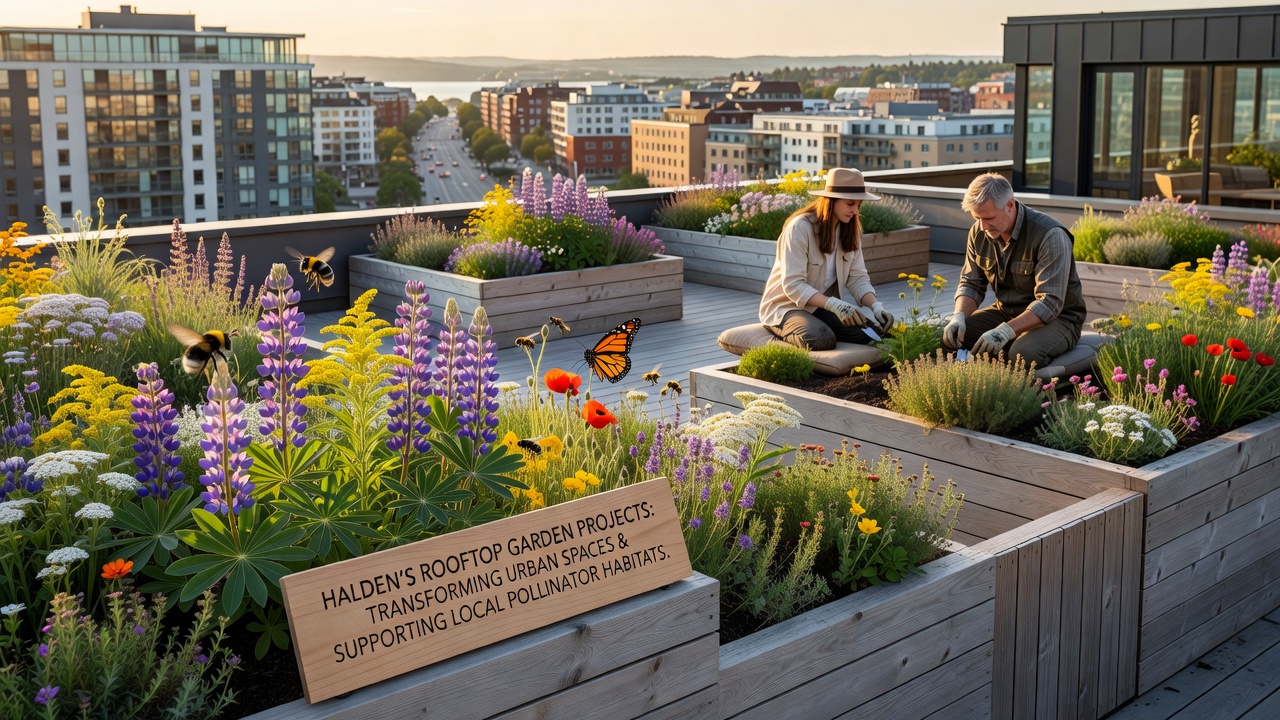
Researchers from the Canadian government pollinator initiatives have shared comparative data showing similar elevated garden strategies improve connectivity in fragmented urban landscapes. Halden projects adapt these approaches by prioritizing drought-resistant species suited to Nordic conditions, with irrigation systems timed to minimize water use while sustaining bloom cycles. Community volunteers participate in seasonal planting events that rotate species to prevent monocultures, and monitoring stations record visitation rates that peak in late spring and early autumn.
Community Coordination and Maintenance Practices
Local organizations manage shared tool libraries and training sessions that equip residents with skills for pruning, soil amendment, and pest monitoring without chemical interventions. These efforts align with broader municipal goals for biodiversity enhancement, where rooftop gardens serve as demonstration sites for schools and neighborhood associations. Figures from ongoing inventories reveal that over 40 rooftops now participate in the coordinated network, with data logs showing consistent pollinator activity metrics across both newly established and mature installations.
Technical support from agricultural extension services helps participants adjust planting schedules based on weather pattern records, ensuring that late-blooming varieties remain available into November when temperatures begin to drop. This phased approach avoids gaps in forage availability that ground-level habitats sometimes experience during transitional weather periods.
Conclusion
Halden's rooftop garden projects continue to expand their footprint through deliberate plant selection and infrastructure upgrades that sustain both urban functionality and pollinator support throughout the calendar year. Monitoring data and seasonal assessments provide the foundation for ongoing refinements, while partnerships with external research bodies supply comparative insights that inform local adaptations. The integration of these elevated spaces into the city's overall green infrastructure demonstrates measurable outcomes in water management, temperature regulation, and habitat continuity.