Tina Russell · 21 September 2026
Halden's Night Sky Observation Groups Highlight Growing Interest in Astronomy
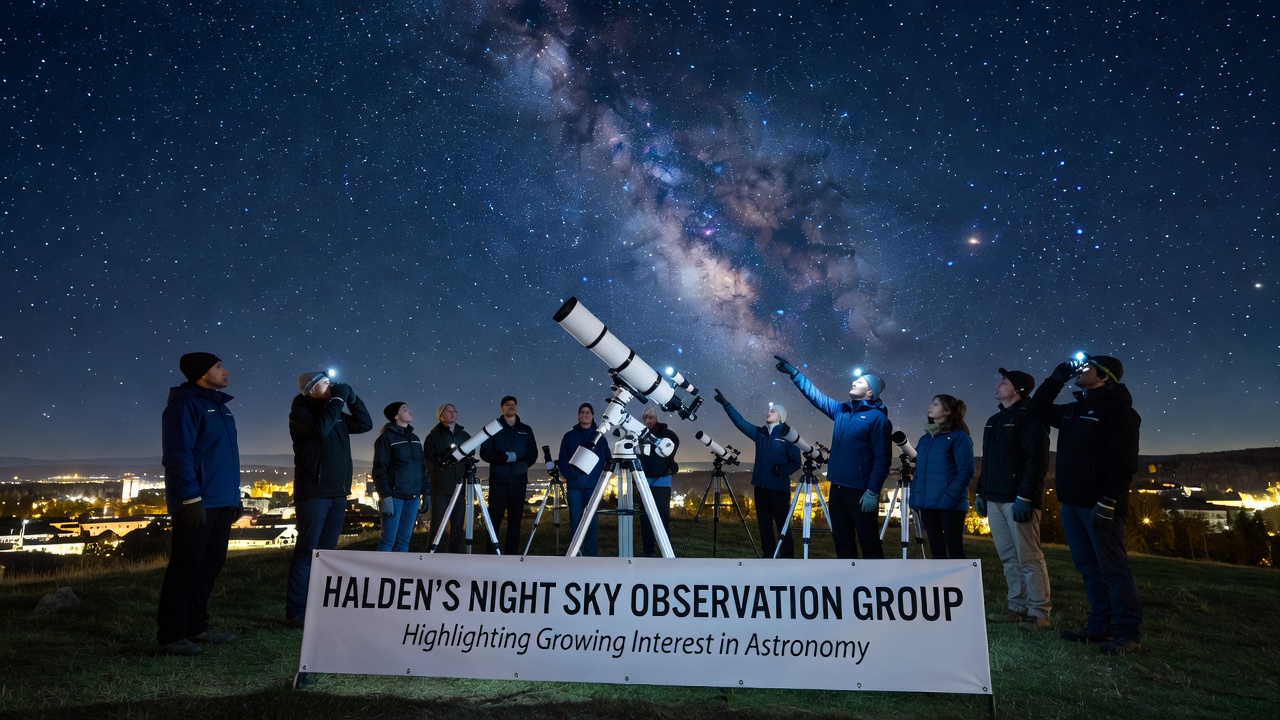
Halden's night sky observation groups have drawn steady participation from residents and visitors alike, with sessions often filling up weeks in advance, and these gatherings reflect broader trends in public engagement with astronomy that researchers have tracked across multiple countries. Local organizers coordinate monthly events at designated viewing sites outside the town center, where participants use both personal and shared equipment to examine constellations, planets, and occasional meteor activity, while data from the European Space Agency shows increased queries about amateur astronomy programs in northern Europe over the past five years.
Formation and Structure of Local Groups
Groups in Halden began as informal gatherings among a handful of enthusiasts several years ago, yet they expanded after community centers offered space for planning meetings and equipment storage, and this growth aligns with patterns observed in other Scandinavian towns where access to dark-sky locations supports consistent viewing schedules. Participants range from students completing science projects to retirees maintaining long-term observation logs, and the groups maintain a shared calendar that lists upcoming sessions along with required safety briefings and weather contingencies.
Equipment includes portable telescopes, binoculars, and basic star charts, while some members contribute smartphone apps that calculate rise times for specific celestial objects, and coordination with nearby weather services helps determine whether sessions proceed or shift to indoor discussions of recent astronomical findings.
Activities and Educational Components
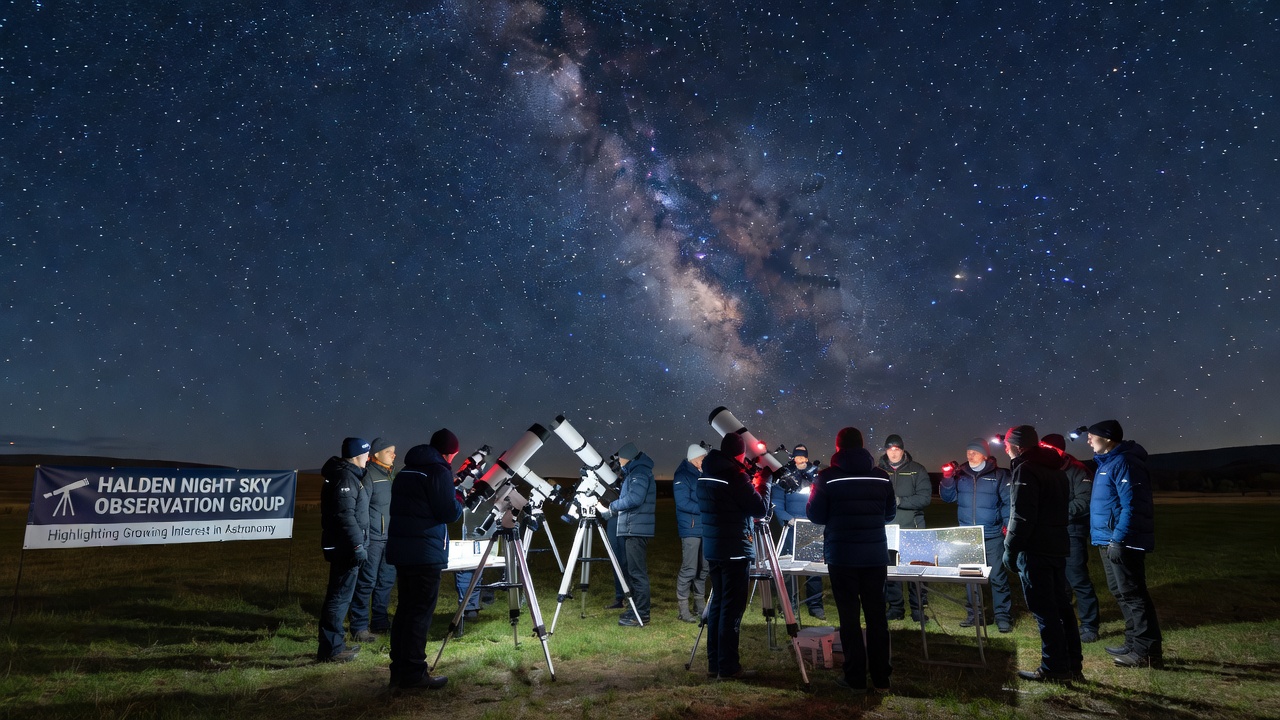
Typical evenings start with an overview of visible targets, followed by individual or small-group viewing periods that allow beginners to receive guidance from more experienced members, and these sessions often incorporate short presentations on topics such as lunar phases or satellite passes. Educational materials come from public archives maintained by organizations like the International Astronomical Union, which supplies standardized terminology and observation protocols that groups adapt for local use.
Children and adults alike practice identifying stars by magnitude and tracking planetary motion across multiple evenings, while advanced participants record data for submission to citizen-science databases that compile amateur observations alongside professional records.
September 2026 Events and Visibility Windows
Planning for September 2026 centers on predicted meteor showers and the visibility of Mars during its favorable opposition, and organizers have reserved additional sites to accommodate higher attendance expected during that period. Sessions will include workshops on proper telescope collimation and data recording techniques, while partnerships with regional schools allow students to earn credit for documented observations submitted to international databases.
Clear autumn skies in the Halden area typically offer extended viewing windows, and groups schedule backup dates in case of cloud cover, a practice that mirrors approaches used by astronomy clubs in Canada and Australia where seasonal weather patterns dictate flexible programming.
Community Reach and Participation Trends
Attendance records kept by Halden groups indicate consistent year-over-year increases, with new members often arriving after hearing about events through local libraries or online community boards, and this pattern matches survey findings from the Australian Astronomical Society that link public outreach to rising interest in STEM fields. Families report that shared viewing experiences encourage continued discussion at home, while some participants pursue formal courses at nearby educational institutions following their initial exposure.
Accessibility remains a focus, with groups offering transportation assistance for those without vehicles and providing translated materials for non-native speakers, and these measures support broader inclusion that demographic studies associate with sustained participation rates.
Conclusion
Halden's night sky observation groups continue to operate as accessible entry points for residents interested in astronomy, and their structured yet adaptable format accommodates varying levels of experience while aligning with international citizen-science efforts. Data from multiple regions shows similar local initiatives contributing to measurable upticks in public awareness of celestial events, and the upcoming September 2026 schedule positions Halden participants to contribute observations during key visibility periods. These activities demonstrate how community-based programs integrate with global research networks without requiring specialized facilities.