Nils Müller · 16 November 2026
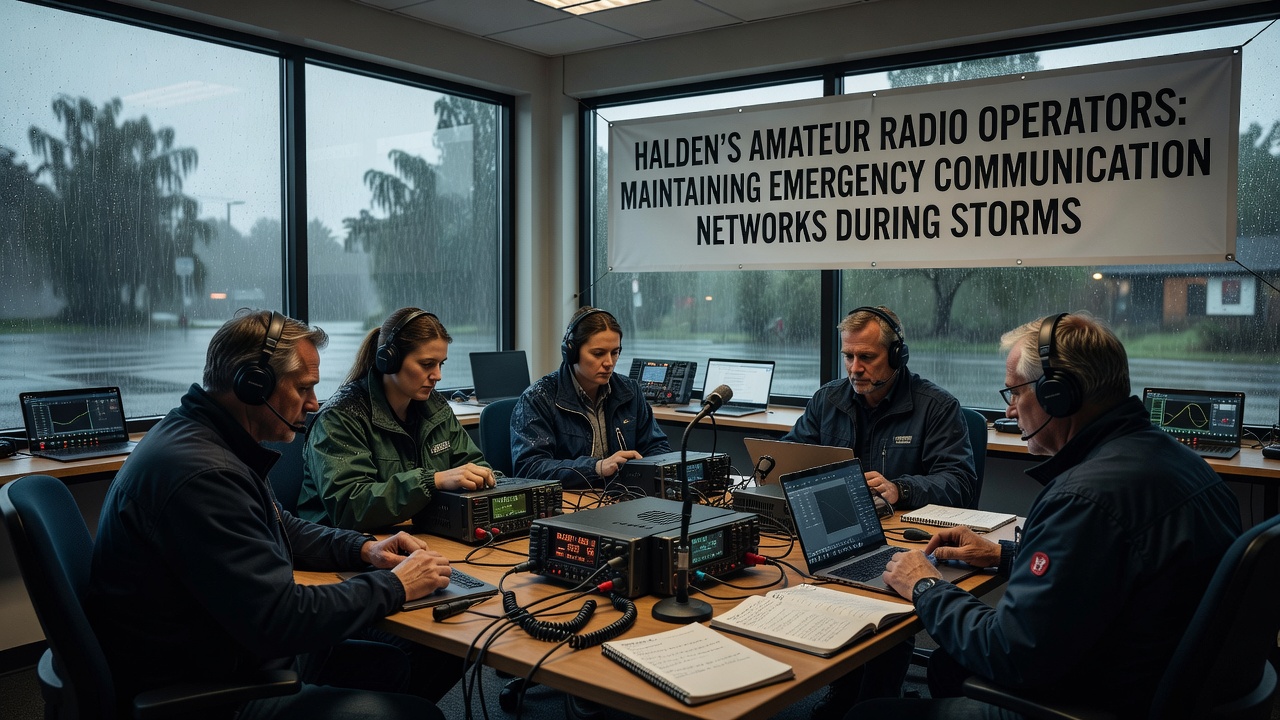
Halden's Amateur Radio Operators Maintain Emergency Communication Networks During Storms
Amateur radio operators in Halden have built and sustained communication networks that activate when commercial systems fail during storms, and these networks rely on volunteer expertise along with portable equipment that functions independently of power grids or cell towers. Data from multiple storm events shows consistent activation of these networks within hours of weather warnings, while operators coordinate through established frequencies that cover both local and regional areas.
Operators use VHF and UHF bands for short-range coordination inside Halden, whereas HF bands extend reach to neighboring regions when landlines and internet services drop. Training sessions organized by local clubs emphasize rapid deployment of generators, battery packs, and antenna systems that withstand high winds and heavy precipitation. Records indicate that participation in these drills has increased steadily since 2020, with many operators completing certification programs through national amateur radio associations.
Network Activation Procedures During Weather Events
Local emergency management protocols in Halden integrate amateur radio operators into response plans that activate when forecasts predict severe conditions. Operators monitor weather updates from the Norwegian Meteorological Institute and prepare equipment at designated sites such as community centers and hilltop locations that offer clear signal paths. Once a storm begins, they establish nets on pre-assigned frequencies and relay information about road closures, power outages, and medical needs to authorities.
November 2026 brought multiple storm systems that tested these arrangements across southeastern Norway. Operators logged hundreds of messages over several days, and they maintained contact with stations in Oslo and Gothenburg when local infrastructure remained offline for extended periods. Equipment logs reveal that portable repeaters installed at strategic points allowed continuous coverage even as primary power sources fluctuated.
Equipment and Technical Capabilities
Portable transceivers, solar chargers, and elevated antennas form the core of Halden's amateur radio setups, and many operators store backup components at multiple locations to ensure quick access. Digital modes such as packet radio and Winlink enable transmission of detailed status reports that include maps and photographs when voice channels become congested. Technical studies conducted by regional radio societies confirm that these modes maintain reliability at signal levels where traditional voice communication degrades.
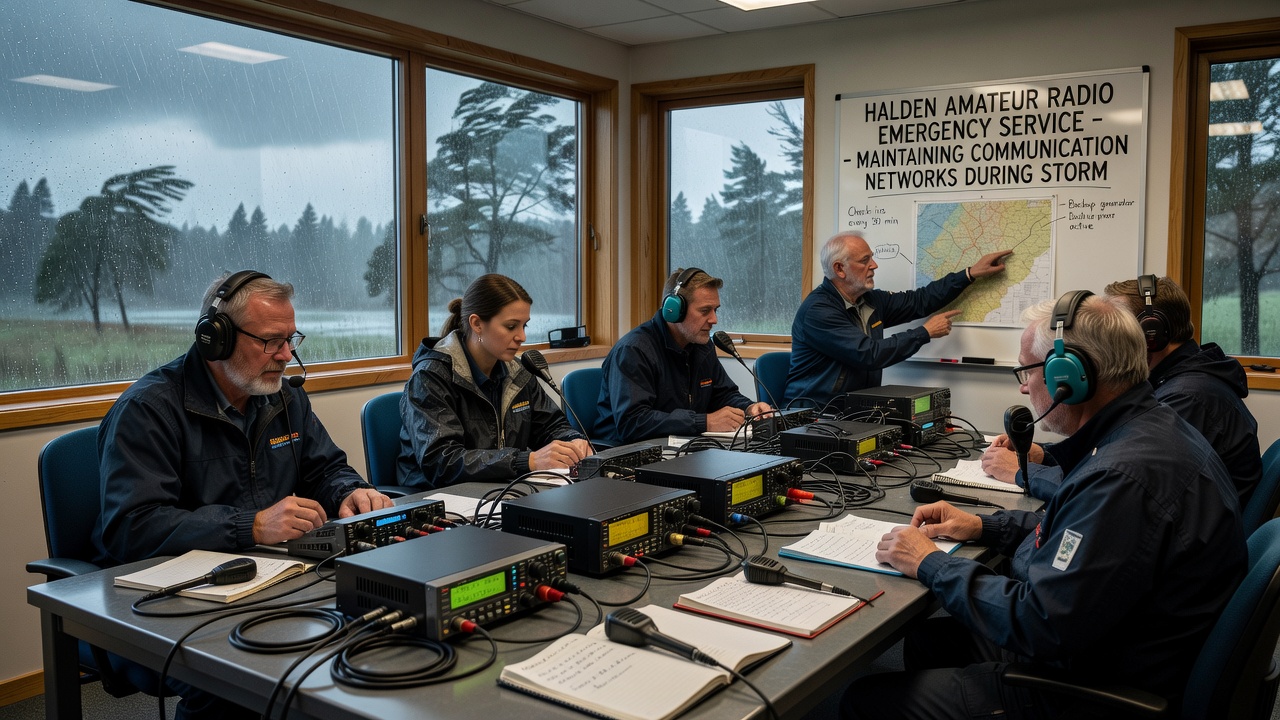
Maintenance routines include regular checks of battery capacity and antenna alignment, while experienced operators mentor newcomers on troubleshooting techniques that address common issues like interference and cable damage. Data collected from past activations shows average message throughput rates that exceed those of commercial systems during peak storm hours.
Coordination with Emergency Services and Regional Partners
Halden operators maintain formal agreements with municipal emergency agencies that outline message priority categories and reporting chains. These partnerships extend to neighboring municipalities and international organizations such as the International Amateur Radio Union, which provides frequency coordination guidelines across Europe. Joint exercises held twice yearly allow operators to practice interoperability with professional responders who use different radio standards.
One activation in late 2025 demonstrated seamless handoff procedures when operators transferred traffic from local nets to regional command centers after land-based lines failed. Figures from the Norwegian Communications Authority highlight that amateur contributions reduced response times for isolated households by several hours during that event. Observers note that ongoing collaboration with academic institutions has introduced updated propagation models that help predict signal coverage under varying atmospheric conditions.
Training Programs and Community Involvement
Weekly workshops at Halden community halls cover licensing requirements, equipment operation, and emergency protocol updates, and these sessions attract participants ranging from students to retirees. Certification through the Norwegian Radio Relay League ensures standardized knowledge levels across the operator base. Community outreach events demonstrate live network setups to residents, which increases public awareness of available resources during extended outages.
Youth programs introduced in 2023 have recruited additional operators who bring familiarity with software-defined radios and digital networking tools. Participation statistics released by local clubs show a 35 percent rise in licensed operators under age 30 over the past three years.
Conclusion
Halden's amateur radio operators continue to refine their networks through regular testing, equipment upgrades, and expanded partnerships that strengthen emergency response capacity. Records from recent storm seasons confirm reliable message delivery when other systems experience disruption, and ongoing training sustains the volunteer base needed for future activations. These efforts remain integrated into broader regional preparedness strategies that prioritize resilient communication options.